
Table of Contents
- What Makes Graphic Designs Exclusive
- Custom vs Stock Graphic Design: Understanding the Difference
- How to Identify Original Graphic Art From Mass-Market Stock
- Ownership and IP Rights: Who Actually Owns the Design
- Benefits of Limited Edition Graphic Tees
- Why Exclusivity Matters for Design Quality and Brand Positioning
- How Professional Design Quality Supports Exclusive Apparel
- Conclusion
- Frequently Asked Questions
Last Updated: August 31, 2026
What Makes Graphic Designs Exclusive
Exclusive graphic designs are original creative works owned and controlled by a single brand, ensuring customers receive something truly unique rather than a product available everywhere. The key difference between exclusive and non-exclusive designs lies in intellectual property rights and creative control.
MS Digital Innovations focuses on delivering original graphic designs paired with premium ring-spun cotton apparel. Exclusivity matters because it directly affects what you're purchasing: a one-of-a-kind design created specifically for a brand, or a generic asset licensed to hundreds of sellers?
Exclusivity encompasses three dimensions. First, creation: was the design commissioned specifically for this brand, or purchased from a stock library? Second, licensing: does the brand own the design outright, or merely have permission to use it? Third, practical distribution: how many other sellers are using the same design?
The design aesthetic and quality often signal exclusivity. Custom-designed graphics typically show intentionality in composition, color selection, and typography. High-quality DTG printing on premium fabric reinforces the perception and reality of exclusivity.
Custom vs Stock Graphic Design: Understanding the Difference
Custom graphic design means a designer created the work specifically for a single client under a contract granting ownership or exclusive licensing rights. Stock graphic design means a designer created the work once and licensed it to multiple buyers through platforms that distribute the same asset to hundreds or thousands of sellers.
Custom designs carry inherent exclusivity while stock designs do not. When you purchase a product featuring a custom design, you're getting something no one else can legally use. Stock designs are available from multiple retailers.
Custom design workflows involve research into brand identity, multiple revision rounds, and final handoff of design files with ownership or exclusive licensing rights. Stock design workflows have a designer create an asset, upload it to a marketplace, and sell licenses to multiple buyers. The same design might be licensed to 50, 500, or 5,000 different sellers.
The price difference reflects this reality. Custom design work costs more because you're paying for the designer's time, revisions, and exclusivity. Stock designs cost less because the designer's time is amortized across many buyers. Neither approach is inherently wrong, but they deliver fundamentally different products.
For graphic apparel, the choice between custom and stock designs affects brand positioning. A brand using custom designs can claim uniqueness and intentionality. A brand using stock designs competes on fit, fabric quality, and price rather than design originality. MS Digital Innovations pairs premium fabric with original designs, ensuring the entire product reflects quality and intention.
How to Identify Original Graphic Art From Mass-Market Stock
Identifying whether a graphic design is original or sourced from stock requires examining visual and contextual clues. Original designs typically show specific intentionality in composition, while stock designs prioritize broad appeal and versatility.
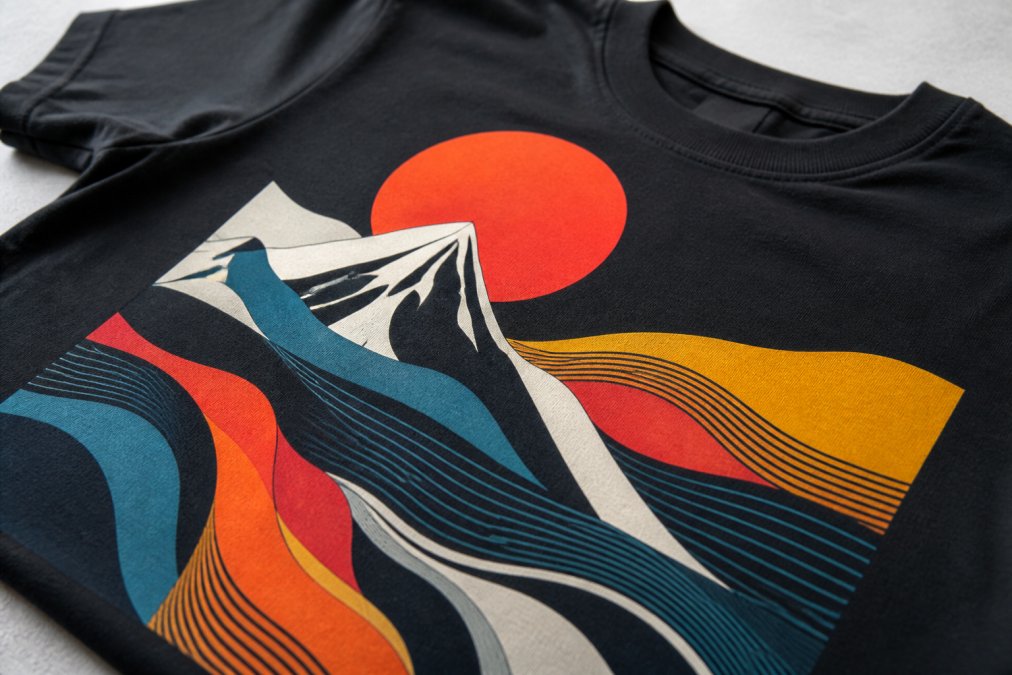
Visual consistency is one indicator. Original designs often appear exclusively on a single brand's products. Search the design using Google Images or reverse image search to see where else it appears. If you find it on five different unrelated brands' sites, it's almost certainly from a stock library.
Print quality signals originality. Original designs commissioned for a specific product are optimized for the production method. A design created for DTG printing on premium cotton shows different characteristics than a generic digital asset. Colors appear more vibrant, details remain crisp at smaller sizes, and the design integrates with the fabric rather than sitting on top of it.
Composition and specificity matter too. Original designs often reference specific themes, inside jokes, or brand values unique to one community. Stock designs use universal themes and generic aesthetics designed to appeal to many audiences.
The design's age and platform presence provide context. Original designs typically debut on a brand's site first. Stock designs often appear on multiple platforms simultaneously through licensing agreements. If a design appears on a stock site with a creation date before it appears on a brand's site, that's a strong indicator the design is stock.
Ask the brand directly. Transparent brands will tell you whether a design is custom-created or licensed from stock and provide information about the designer and exclusivity status.
Ownership and IP Rights: Who Actually Owns the Design
Understanding who owns a graphic design is essential because ownership determines what rights you have as a buyer and what rights the brand has to sell it.
When a brand commissions a custom design from a freelance designer or agency, ownership typically transfers to the brand through a contract. The designer creates the work, the brand pays for it, and the brand receives full ownership of the design files and the right to use the design however it chooses. This is called a "work for hire" arrangement in copyright law.
When a brand licenses a design from a stock library, ownership remains with the original designer or the stock platform. The brand receives a license, permission to use the design under specific terms. Those terms might prohibit commercial use, limit the number of products, restrict geographic territory, or require attribution. A stock license never grants ownership; it grants temporary permission.
The distinction matters because it affects your rights as a customer. When you buy a product with a custom, brand-owned design, you're purchasing access to something the brand controls completely. When you buy a product with a stock design, you're purchasing one of potentially thousands of identical products.
Copyright law protects the designer's original work automatically upon creation. The designer owns the copyright unless they explicitly transfer it through a contract. Many freelancers retain copyright while granting clients an exclusive license to use the design. The practical effect is similar to ownership from the customer's perspective, the design appears only on that brand's products.
Exclusive licensing agreements often cost more than non-exclusive licenses. A brand paying for exclusive rights ensures no competitors can use the same design. Brands confident in exclusivity often mention it explicitly because they've invested in the premium cost.
Benefits of Limited Edition Graphic Tees
Limited edition graphic tees create scarcity and exclusivity by intentionally restricting production quantities or availability windows.
Scarcity increases perceived value. When customers know a design will be available for only 48 hours or only 500 units, they perceive it as more valuable than an identical design available indefinitely. This urgency drives purchase decisions and faster sales.
Limited editions encourage customer loyalty and repeat engagement. Collectors check back frequently to see new designs, knowing that designs disappear permanently. This repeat traffic builds a community of engaged customers.
The production logistics of limited editions often support higher quality. When a brand commits to producing only 200 units of a design, it can invest more in quality control, premium materials, and careful printing. The smaller production run justifies premium pricing and allows for more careful attention to detail.
Limited editions reduce inventory risk. A brand doesn't need to predict demand perfectly or hold excess stock. It can test designs with limited runs, measure customer response, and decide whether to restock or move on to new designs.
From a customer perspective, limited edition graphic tees hold their appeal longer. A design available for years becomes background noise. A design available for one week and sold out becomes a conversation piece. Collectors value the exclusivity and the story of having purchased something rare.
Why Exclusivity Matters for Design Quality and Brand Positioning
Exclusivity signals intentionality and quality in ways that mass-market availability cannot. When a brand invests in exclusive, custom designs, it's making a statement about what it values and who it's trying to reach.
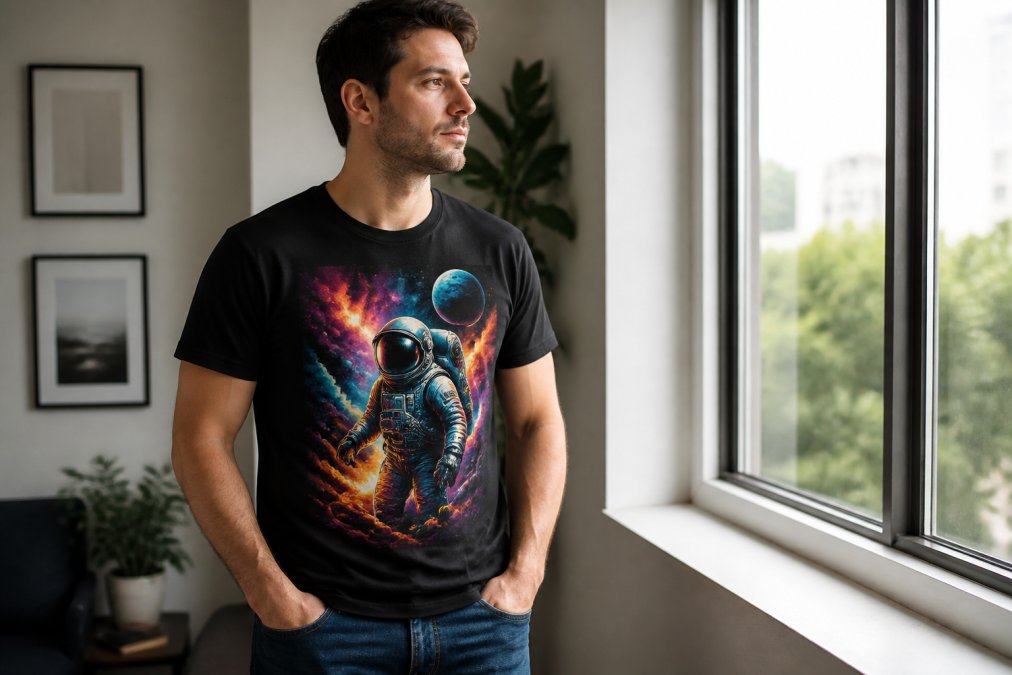
Design quality and exclusivity are often linked because the economics work differently. A brand investing in a custom, exclusive design is making a long-term bet on that design's appeal. It's creating something specific, testing it with a particular audience, and refining it based on real feedback. This intentionality typically results in higher quality.
Exclusive designs allow for more specific brand positioning. A brand using stock designs competes on the same visual language as hundreds of other sellers. A brand using exclusive designs can develop a distinctive visual identity that customers recognize and trust. Over time, this distinctive identity becomes a brand asset that competitors cannot replicate.
The perceived value of exclusive designs supports premium pricing. Customers understand intuitively that exclusive items cost more and are willing to pay more for a design they won't see on someone else. This price premium allows brands to invest more in fabric quality, printing quality, and overall product experience.
Exclusivity affects how customers relate to the product emotionally. A customer wearing an exclusive design from a brand they follow is wearing something that signals their connection to that community. The design becomes a form of identity expression rather than just a comfortable shirt.
For MS Digital Innovations, the commitment to original designs paired with premium ring-spun cotton creates a product that reflects quality at every level. The design and the fabric work together as a unified product, each supporting the other.
How Professional Design Quality Supports Exclusive Apparel
Professional design quality encompasses composition, color theory, typography, and technical optimization for specific production methods. When these elements align, the result is an exclusive apparel product that stands out in both appearance and durability.
Professional designers understand how designs translate to physical products. A design that looks sharp on a computer screen might lose detail when printed on fabric at actual size. Professional designers optimize for production, ensuring colors remain vibrant, details remain crisp, and the overall composition works within the constraints of the medium.
Color selection in professional design reflects understanding of both aesthetics and technical constraints. Professional designers know which color combinations create visual hierarchy, which colors reproduce accurately in DTG printing, and which combinations maintain readability at different sizes.
Typography in professional design serves both aesthetic and functional purposes. The typeface choice communicates the brand's personality. The size and spacing ensure legibility. The weight and color ensure the text doesn't disappear or dominate the design.
Professional design also considers the garment itself as part of the composition. The placement on the chest, back, or sleeve affects how the design reads on a body. The size relative to the garment affects impact. The color relationship to the fabric color affects visibility and appeal.
Professional design quality also supports brand consistency. A brand using professional designs develops a recognizable visual language. Customers learn what to expect from that brand's aesthetic. This consistency builds trust and makes the brand memorable.
Conclusion
Are your graphic designs exclusive? The answer depends on whether they were created specifically for your brand, whether you own or exclusively license them, and whether they appear elsewhere. Exclusive designs signal quality, intentionality, and brand positioning in ways that mass-market stock designs cannot.
MS Digital Innovations delivers premium graphic apparel built on this foundation. Our ring-spun cotton tees are optimized for high-quality DTG printing, paired with original designs that reflect the care invested in every element of the product. When you choose exclusive designs on premium fabric, you're choosing a product that stands apart.
Shop all exclusive designs and discover the difference that intentional design and premium materials make.
| Aspect | Exclusive Custom Design | Stock Design |
|---|---|---|
| Ownership | Brand owns or exclusively licenses | Designer retains ownership; brand licenses non-exclusively |
| Availability | Single brand only | Multiple sellers simultaneously |
| Cost | Higher upfront investment | Lower per-unit cost |
| Brand Positioning | Distinctive visual identity | Generic, mass-market aesthetic |
| Scarcity | Limited production possible | Unlimited availability |
| Quality Optimization | Designed for specific fabric/method | Generic, versatile approach |
The choice between exclusive and stock designs reflects your values as a brand and as a customer. Exclusive designs cost more, but they deliver something genuinely unique. They support premium positioning, build customer loyalty, and create products that customers feel proud to wear. For brands serious about standing out, exclusivity is a strategic necessity.
Intellectual property rights and copyright basics from the U.S. Copyright Office provide the legal framework for understanding design ownership. Brand positioning strategies from Harvard Business Review explain why exclusivity matters for competitive differentiation. Consumer behavior research on perceived value and scarcity shows why limited edition products command customer loyalty and premium pricing.
Frequently Asked Questions
What makes graphic designs exclusive?
Exclusive graphic designs are original works created specifically for one brand or client, with sole ownership and usage rights. Unlike stock designs available to anyone, exclusive designs cannot be purchased or used by competitors. This exclusivity covers the entire visual identity, from the artwork itself to how it appears on apparel. True exclusivity means you own the intellectual property and the design won't appear on someone else's graphic tee.
How can you tell if a graphic design is original or stock art?
Original designs typically feature unique visual storytelling, custom color palettes, and artistic choices tailored to a specific brand aesthetic. Stock designs often follow predictable patterns, use common themes, and lack distinctive creative edge. Check for design consistency across a brand's collection, original work shows cohesive style and vision. Original designs also tend to have higher professional quality in execution, sharper print details, and more thoughtful composition than mass-market alternatives.
Why does exclusivity matter when buying graphic tees?
Exclusivity ensures you're wearing something distinctive that reflects your personal identity rather than generic apparel. Exclusive designs support smaller creators and designers, giving them direct control over their work. For collectors, limited edition graphic tees hold more value and meaning because they're not mass-produced or available everywhere. Exclusive designs also typically receive more attention to quality, from fabric selection to print durability, because they're created for discerning customers who expect superior craftsmanship.
Do graphic designers own the rights to their designs?
Ownership depends on the agreement between the designer and the brand. When a designer creates custom work for a company, the client typically owns the intellectual property unless the contract specifies otherwise. Freelance designers retain ownership of their original work until they sell or license those rights. Always clarify IP ownership in any design contract. For apparel brands, owning exclusive design rights means the designer cannot sell that same design to competitors, protecting your brand's visual identity and market positioning.
This article was written using GrandRanker